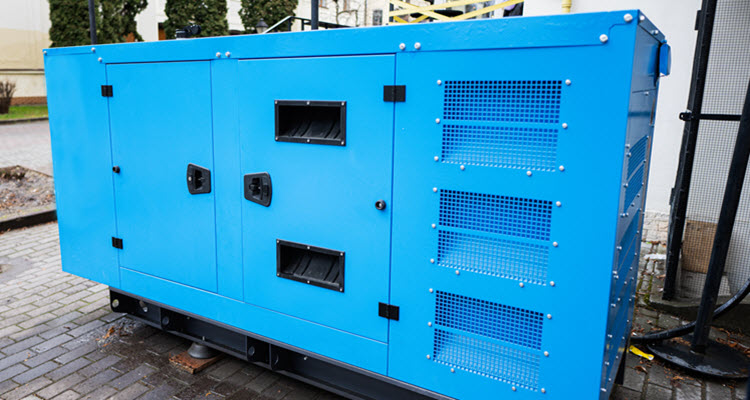
Installing an industrial generator is a significant undertaking that requires careful planning and execution. Whether you are setting up a backup power system or expanding your facility’s power capacity, a successful generator installation is crucial for uninterrupted operations. We will guide you through the essential steps and considerations to ensure a smooth and problem-free installation of an industrial generator.
Assess Power Requirements
Begin by assessing your power requirements to determine the size and capacity of the industrial generator needed. Consider the total electrical load, peak power demands, and any future expansion plans. Consulting with a qualified electrical engineer or generator supplier can help you accurately calculate your power needs and select the right generator for your specific requirements.
Determine Installation Location
Choose an appropriate location for your industrial generator. Consider factors such as accessibility, ventilation, noise control, and compliance with local regulations. Ensure the site is well-drained, level, and away from potential hazards. Adequate space should be available for maintenance, fueling, and exhaust management. Additionally, consider the proximity to the electrical distribution panel and load connection points to minimize wiring costs.
Obtain Necessary Permits and Approvals
Before commencing the installation, check with local authorities to determine if any permits or approvals are required. Regulations regarding noise, emissions, zoning, and safety may apply. Ensure compliance with all applicable codes and standards to avoid potential legal issues and ensure a safe and compliant installation.
Engage Professional Installers
For a complex installation like an industrial generator, it is highly recommended to engage professional installers experienced in generator installations. They possess the expertise, knowledge, and tools necessary to handle the installation process safely and efficiently. Working with professionals can help mitigate risks, ensure proper electrical connections, and prevent potential problems down the line.
Site Preparation and Foundation
Prepare the installation site by clearing any debris and ensuring a stable foundation. Industrial generators require solid concrete pads or engineered supports to minimize vibrations and ensure proper alignment. Follow the manufacturer’s specifications and guidelines for foundation dimensions, anchor points, and load-bearing capacity. A sturdy foundation is vital to the longevity and performance of the generator.
Electrical Connections and Transfer Switch
Proper electrical connections are critical for the safe and reliable operation of your industrial generator. Engage a licensed electrician to handle the electrical wiring, including connections to the main electrical panel and the installation of an automatic transfer switch (ATS). The ATS enables seamless switching between the utility power and generator power during outages, ensuring uninterrupted power supply to critical loads.
Fuel System and Exhaust Management
Ensure that a properly designed fuel system is in place to supply the generator with fuel. Install fuel tanks, piping, and valves in compliance with local regulations and safety standards. Adequate ventilation and exhaust management are essential to prevent the buildup of harmful gases. Install appropriate exhaust systems, including mufflers and vents, to direct exhaust gases safely away from occupied areas.
Testing and Commissioning
Once the installation is complete, thoroughly test the industrial generator and its associated components. Conduct load tests, transfer switch tests, and ensure all safety features are functioning correctly. Verify that the generator starts, operates, and transfers power seamlessly as intended. Document the testing and commissioning process for future reference and maintenance purposes.
Installing an industrial generator requires careful planning, adherence to regulations, and professional expertise. By following the steps outlined in this article and engaging qualified installers, you can ensure a problem-free installation that provides reliable backup power or additional capacity to meet your operational needs. Remember to assess power requirements, choose a suitable location, obtain necessary permits, engage professionals, prepare the site, handle electrical connections correctly, manage fuel and exhaust systems, and thoroughly test the generator before putting it into operation.
Leddy Power Systems
At Leddy Power Systems, Inc., we understand the importance of providing reliable power solutions to meet specific operational and critical need requirements. Every generator and power system is designed for reliability and longevity. Our experience in numerous power generation projects and ability to offer customized solutions allow us to address a wide variety of complex electrical power applications for our customers. Our experienced Design and Installation Team can help you with all technical aspects of a turn-key generator and power system installation. We proudly serve the areas of LA County, Santa Barbara County, and Ventura County, so give us a call today.