When it comes to ensuring uninterrupted power supply in your home during a power outage, a residential generator is a valuable investment. It can provide you with peace of mind knowing that your home’s essential systems, such as heating and cooling, lighting, and appliances, will continue to function during an emergency. However, choosing the best residential generator can be overwhelming, with so many models and features available. In this article, we’ll explore how to choose the best residential generator for your needs.
Determine your Power Needs
The first step in choosing a residential generator is to determine your power needs. This involves calculating the total wattage of your home’s essential systems and appliances. A licensed electrician can help you determine the total wattage, but you can also use a generator sizing calculator available online. Once you have determined the total wattage, you can choose a generator that can handle the load.
Choose the Type of Generator
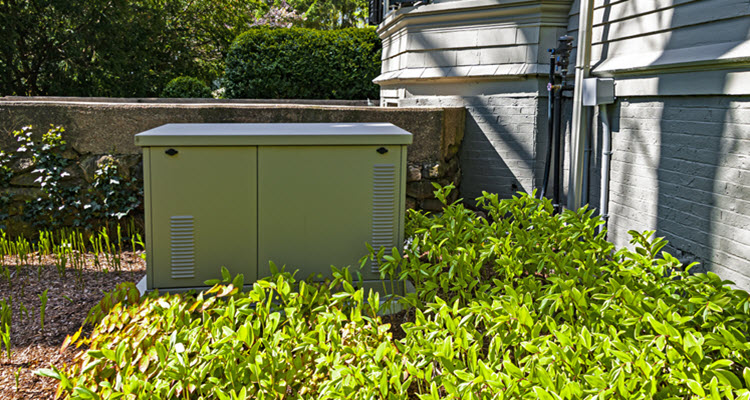
There are two main types of generators: portable and standby. Portable generators are usually smaller and less expensive than standby generators. They are designed to be moved around and are ideal for powering a few essential systems during an outage. Standby generators, on the other hand, are more powerful and permanently installed outside the home. They are designed to provide power to your entire home during an outage and can automatically turn on when there is a power outage.
Fuel Type
Residential generators can be powered by various fuel types, such as natural gas, propane, and diesel. When choosing a fuel type, consider the availability and cost of the fuel in your area. For example, if natural gas is readily available in your area, a natural gas generator might be a good option. Propane generators, on the other hand, are usually more expensive but can be a good option if you have a propane tank on your property. Diesel generators are usually the most expensive but are the most fuel-efficient and long-lasting.
Noise Level
Generators can be loud, so it’s essential to choose a generator with a noise level that is acceptable for your home. Standby generators are usually quieter than portable generators, but the noise level can still be an issue. Look for generators that have a decibel rating of around 60 or lower, which is about the same as a normal conversation.
Generator Brand
The brand of the generator is also an important consideration when choosing a residential generator. Look for well-known brands with a good reputation for reliability and durability. Popular brands in the residential generator market include Generac, Kohler, and Briggs & Stratton.
Generator Features
Residential generators come with a range of features, and it’s essential to choose a generator with features that are important to you. Some common features to consider include:
- Automatic Transfer Switch: An automatic transfer switch can detect when there is a power outage and automatically switch your home’s power source to the generator.
- Remote Monitoring: Remote monitoring allows you to monitor your generator’s performance from a distance, which can be useful if you’re away from home during an outage.
- Weatherproof Enclosure: A weatherproof enclosure protects your generator from the elements and can prolong its lifespan.
- Low Oil Shutdown: A low oil shutdown feature automatically shuts off the generator if the oil level is too low, which can prevent damage to the generator’s engine.
Installation and Maintenance
Finally, it’s important to consider the installation and maintenance requirements of the generator. Standby generators require professional installation & regular maintenance to ensure they function correctly during an outage. Portable generators are easier to install but require regular maintenance to ensure they remain in good working condition. Be sure to factor in the cost of installation and maintenance when choosing a residential generator.
Leddy Power Systems
Choosing the best residential generator for your needs involves considering several factors, and our staff at Leddy Power Systems is here to answer all your questions and help advise you of the best solution to your power needs. If you are in LA County, Santa Barbara County, or Ventura County, give us a call today to speak with us about your generator and backup power questions.