Do you have any idea how a residential generator is different from a commercial one? If you have been thinking of putting up a generator for your home or your business, you will be shocked to learn that the systems and the process of installation are very different. Understanding these differences will enable you to make the right choices to ensure that your home or business is well supplied with power during those critical blackout hours. Here are the major differences between the two generator installations.
Difference Between Residential and Commercial Generator Installation
Power Capacity
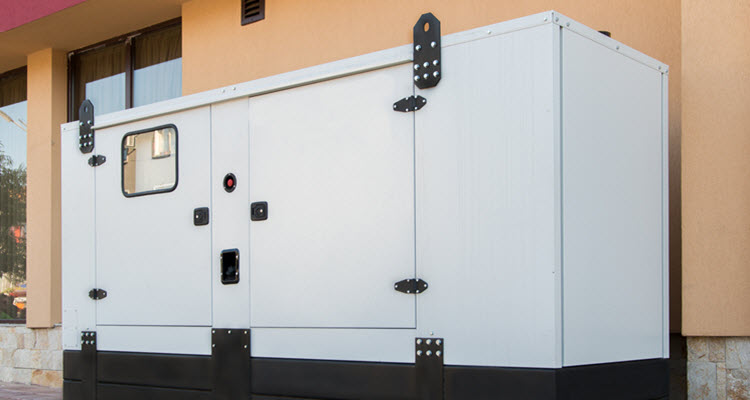
The first difference between residential and commercial generators is the amount of power that a given generator needs to generate. Home Standby Generators are generally intended for use in small to medium-sized homes in the event of a power outage. They may only need to power a few basic necessities such as a refrigerator, heating system, and a few lights. This implies that most residential generators are rated below 50 kW, and can range from 5 kW in smaller homes to 30 kW depending on the homeowner’s needs.
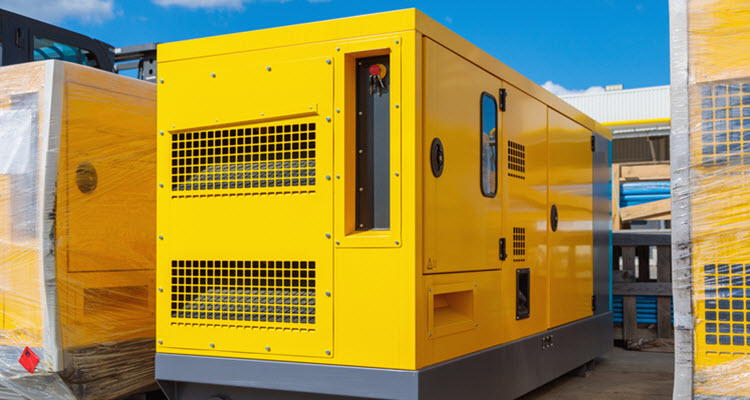
On the other hand, commercial generators are designed to operate in much larger areas such as offices, industries, or even retail shops. In such places, it is not just a few appliances that have to be powered; there may be computers, heating and air conditioning systems, production equipment, and security systems in addition to lighting that have to be operational. Commercial generators are generally rated at 50kw and can go as high as several megawatts to ensure business processes are not interrupted.
Installation Complexity
The process of putting a generator for a home is relatively easier than putting one for a business. Home connections entail the installation of a comparatively small generator inside a garage, basement, or any other area close to the house or outside the house. Since the power demand is small, the electrical installations and wiring are often simpler. Residential generators, for the most part, are designed to come on as soon as the power is out, and with as little disruption as possible.
While residential generator installation is a relatively simple process, the installation of commercial generators is a little more complex. As these systems have a higher power output, more complicated wire and connection arrangements are required. Also, commercial generators might require their own building or at least a secure area to house the generators due to their size and more importantly, their safety. It can also mean having to consult with architects, electrical engineers, and even city planners, on the installation of the generator to make sure it is legal.
Fuel Type
Another difference between residential and commercial systems is the kind of fuel used to fuel the generators. Natural gas or propane are the most common sources of energy for most home-use generators because they are easily accessible and easily storable. Private residents usually have existing natural gas pipelines that can be easily connected to a generator source for fuel. Propane is also preferred because it can be stored in tanks and used as and when it is required.
Commercial generators, however, use more powerful fuels such as diesel or natural gas depending on the commercial power demand and supply. Diesel generators are used in commercial buildings since diesel fuel contains more energy than gasoline or propane to run large systems. Diesel is preferred as a fuel source when a business needs a long period of uninterrupted power as it is reliable and has a longer shelf life.
Maintenance Requirements
Every generator needs to be maintained frequently so that it can operate effectively at the time of need, but the frequency of maintenance may differ for the residential and commercial generators. Home generators are comparatively less strenuous in terms of maintenance. The owners of most home generators often undertake simple maintenance operations such as checking the condition and level of the oil. Bi-annual professional servicing is often enough to maintain a residential generator in proper working condition.
Commercial generators need more frequent and thorough service. This is because they are built to carry much larger loads and run for much longer times than emergency home generators. Some companies may need a quarterly or even monthly inspection and service, and this can only be done by professionals.
Come To Us For All Sizes Of Generator Installation
Whether you require a portable home generator or a commercial generator, you can rest assured when dealing with Leddy Power Systems, you will receive the best professional installation for your particular situation. You can come to us if you reside in or around Ventura County, LA County, and Santa Barbara County. Call us today to find out more about the residential and commercial generators we offer.